
920-469-1236

Login

Sign Up

After creating an account, you'll be able to track your payment status, track the confirmation.
Username*
Password*
Confirm Password*
First Name*
Last Name*
Email*
Phone*
Contact Address
Country*
* Creating an account means you're okay with our Terms of Service and Privacy Statement.
Please agree to all the terms and conditions before proceeding to the next step

Already a member?

Login
920-469-1236

Login

Sign Up

After creating an account, you'll be able to track your payment status, track the confirmation.
Username*
Password*
Confirm Password*
First Name*
Last Name*
Email*
Phone*
Contact Address
Country*
* Creating an account means you're okay with our Terms of Service and Privacy Statement.
Please agree to all the terms and conditions before proceeding to the next step

Already a member?

Login

Messy Play: Why the Cleanup Is Worth It

Encompass > Uncategorized > Messy Play: Why the Cleanup Is Worth It

Messy PLay

Why the Cleanup Is Worth It

If you’ve ever walked into your child’s classroom and seen paint-splattered smocks, muddy boots by the door, or little hands proudly holding a creation made from glue, sand, and leaves, you might have thought:

“This is going to be a mess.”

You’re right, it probably will be messy. But that mess is helping your child learn and grow.

As adults, we often notice the cleanup: spilled water, fingerprints on the table, or glitter in every corner of the house. But children see something else. For them, it’s a chance to explore, create, experiment, and discover.

More Than Just Fun

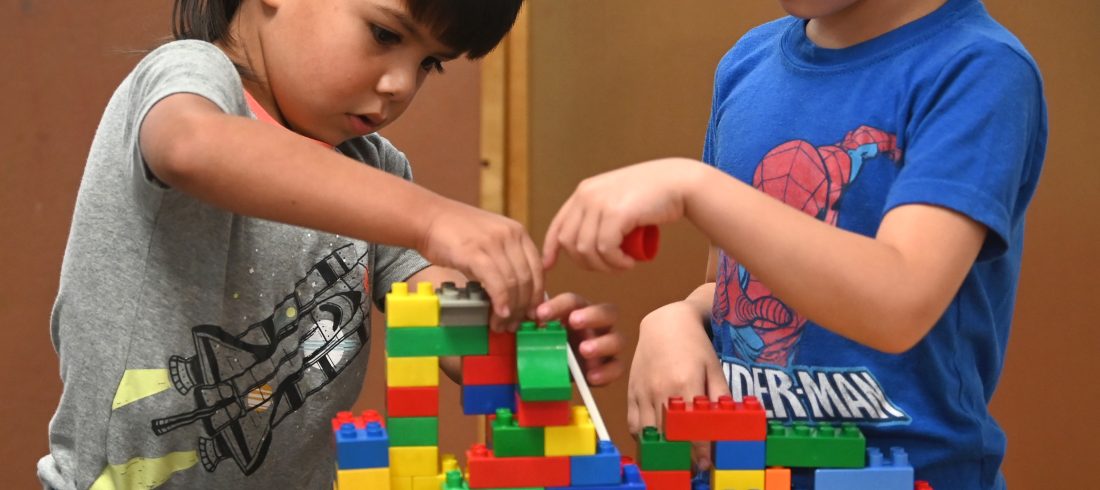
Messy play isn’t just about making a mess. It gives children the freedom to use all their senses as they learn.

When children squeeze play-dough, pour water, finger paint, dig in the dirt, or mix mud, they build skills that worksheets can’t offer.

Through messy play:

  • Children develop fine motor skills when they pinch, scoop, squeeze, pour, and handle different materials.
  • They practice problem-solving by experimenting with cause and effect and seeing what happens when they mix different materials.
  • They build language skills by describing textures, asking questions, and sharing their ideas.
  • Their creativity is encouraged because there’s no single right way to explore. Processing occurs as children learn about different textures, temperatures, sounds, and smells.
  • They gain confidence and independence when they’re trusted to explore and make their own choices.

Process Over Product

Adults often focus on the finished product, while children experience things differently.

Children focus on the process.

Children might spend twenty minutes mixing paint colors without painting a picture. They might fill and dump the same bucket of water again and again. They might arrange sticks, rocks, and leaves instead of making something you recognize.

To adults, it might not seem like much happened.

For a child, that experience was learning.

When we value experience more than the outcome, we show children that curiosity is important.

Fun Without (Most of) the Mess

Want the benefits of messy play without the mess inside? Try taking the fun outdoors. Nature is a great place for children to explore, and cleanup is often just rinsing hands or changing clothes.

Try these outdoor activities:

  • 🎨 Paint with water on the sidewalk, fence, or deck using paintbrushes and a bucket of water.
  • 🌿 Create nature art using leaves, flowers, sticks, pinecones, and rocks.
  • 💧 Set up a simple water station with cups, funnels, and containers for pouring and splashing.
  • 🫧 Blow bubbles and experiment with making giant bubbles using homemade wands.
  • 🪨 Build fairy houses or tiny forts using natural materials.
  • 🌸 Make “nature soup” by mixing water, grass, flowers, and leaves in an old bucket.
  • 🚜 Dig in a designated patch of dirt or a sandbox with shovels, buckets, and toy construction vehicles.
  • 🧺 Wash toy cars, dolls, or outdoor toys in a tub of soapy water.
  • 🔍 Go on a backyard texture hunt and collect items that are smooth, rough, soft, or bumpy.

A little dirt is easy to wash off. But the confidence, creativity, and curiosity children gain from hands-on play will last much longer.