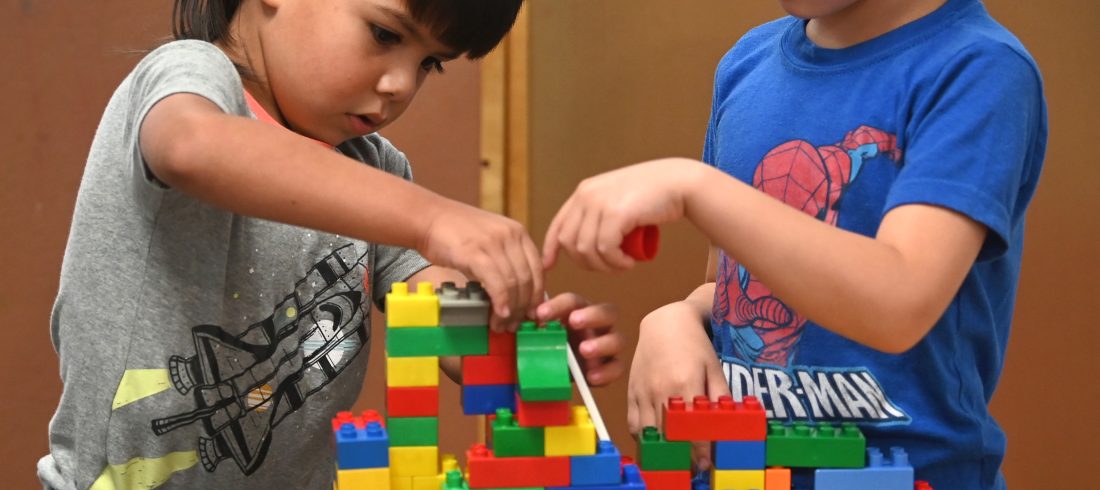


When kids pretend to cook dinner, care for a baby, run a restaurant, or play doctor, it might seem like they’re just having fun and using their imagination.
But dramatic play is much more than just fun.
Children are using pretend play to make sense of the world around them.
When children play different roles, they practice talking and listening. They figure out what to say, listen to each other, share their ideas, and make up stories together.
Dramatic play also helps kids build social and emotional skills. When a child pretends to be a parent, a doctor, or a teacher, they try out different points of view and practice empathy. They learn how to care for others, solve problems, and work as a team.
There’s also a lot of thinking and learning going on. Kids use their memory, plan ahead, solve problems, and think flexibly as they create their pretend worlds.
“We need a restaurant. I’ll be the cook. You can be the customer!”
Suddenly, in these moments, children make plans, choose roles, use language, and solve problems, often without even realizing they’re practicing these skills. Play also allows children to recreate experiences from their own lives. Going to the doctor, shopping at the grocery store, caring for a baby, or going to school can all become opportunities to explore what they’ve experienced and make sense of the world around them.
You don’t need a special play area. A cardboard box can be a car, a blanket can be a doctor’s office, and a stuffed animal can be a patient.
Imagination takes care of the rest.
Try It at Home
Let your child pick the scenario and follow their lead. You could ask:
“Who should I be?”
“What do we need?”
“What happens next?”
“How can I help?”
Try not to take over the story. When kids lead their pretend play, they get more chances to use their creativity, language, and problem-solving skills.The next time your child says, “Let’s pretend…”, remember that something important is happening.
They’re not just pretending. They’re practicing for life.