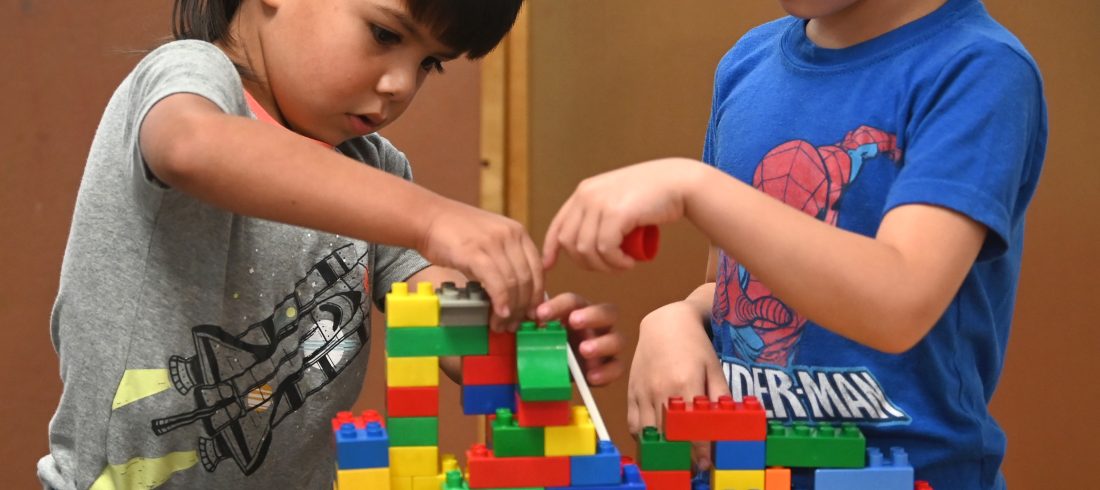
Children don’t just learn at school—they’re constantly learning through everyday experiences at home and in the community. High Scope calls this “active learning:” when children explore, ask questions, make choices, and reflect on what they discover. Supporting your child’s learning at home can make a big difference in their development, and the good news is that it doesn’t need to be difficult or time consuming. By weaving in small habits during daily routines—like talking, noticing, or asking questions—you can turn ordinary moments into powerful learning opportunities.
 In the Kitchen – Let your child measure ingredients, stir, or guess what will happen when things mix or heat up. Kids are often more capable than we think—give them small, safe tasks and watch their confidence and independence grow!
At the Store – Ask your child to help find items, compare sizes, or count how many apples go in the bag. Adding information (These red apples look juicy) for what you are putting in your cart also builds vocabulary!
On Walks or Drives– Name what you see and encourage your child to notice, too: “What sounds do you hear? What colors do you see?”
During Play – Follow your child’s lead. Ask open-ended questions like, “What are you building? What might happen if…?”
Reflect Together – At bedtime or mealtime, invite your child to share something they tried, learned, or want to try again. If they can’t remember, remind them of something you did together.
No matter your child’s age, these small, consistent habits during everyday moments help build language, curiosity, confidence, and problem-solving—skills that will serve them well in school and beyond. Start by picking something small and adding something new when you are ready! By weaving active learning into family routines, you’re reinforcing the same skills they practice in the classroom, while also making ordinary moments more meaningful, connected, and fun.