Children can only learn when they feel safe and connected. Before correcting behavior, focus on connection first. Think of it like giving your child a little “love first” moment, heartfelt attention before guidance, just in time for Valentine’s Day! This helps them calm down, pay attention, and actually learn new skills, rather than just reacting out of fear or frustration.
- Get on their level – Kneel or sit so you’re face-to-face. Eye contact shows your child they are seen and important.
- Use a calm voice and kind eyes – Soft tones and gentle expressions send a “safe and loved” message louder than words.
- Offer a caring touch if welcomed – A hug, hand on the shoulder, or high-five can remind your child they are cared for (but only if they want it).
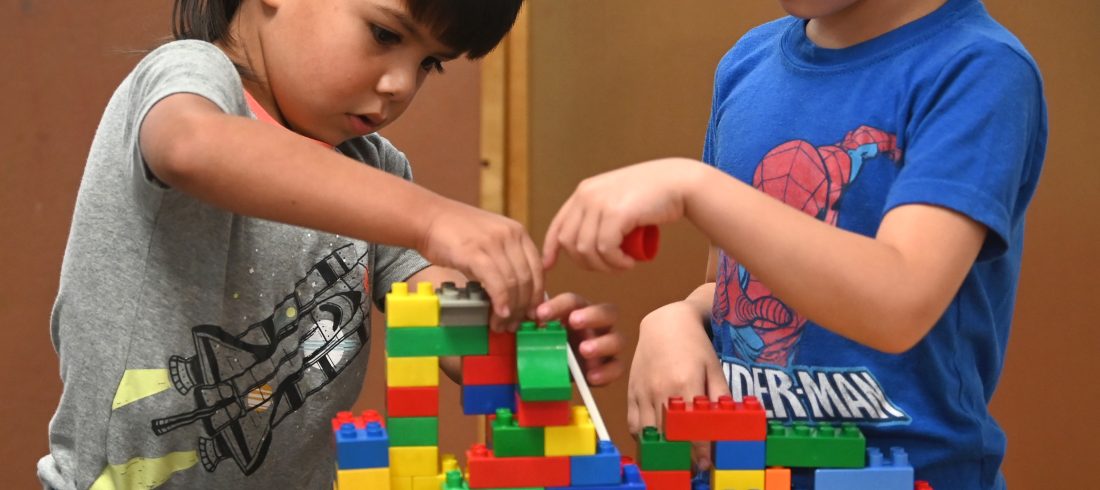
- Acknowledge feelings – “You look really frustrated that the tower fell.” Naming feelings tells your child, I see you, and I love you even when things are hard.
- Name the behavior, not the child – “Hitting hurts. Let’s try using words.” Separating the behavior from the child helps them feel safe and loved, not shamed.
- Teach after connecting – Once they feel safe and calm, your child can focus on learning new ways to handle big feelings.
- Use proactive connection every day – Little Valentine-style moments, like greetings with a smile, shared jokes, or short “I Love You Rituals,” strengthen your bond and make your child feel secure even before challenges arise.
Why it works: Children’s brains need safety and love before they can process and learn. When you connect first, both in everyday moments and during tough ones, you help your child regulate emotions, build trust, and practice self-control. Over time, these “love-first” moments teach children that mistakes are safe, big feelings are okay, and relationships stay strong, even when life gets challenging.